

Do you want a warm, creamy bowl of Bolivian rice pudding, but you do not know where to start? You are not alone. Many people type “best arroz con leche boliviano near me” into Google and get long lists of pages that all say the same thing. Few of them tell you how to really find a good bowl in your own city.
This guide is different. You will learn what Bolivian arroz con leche is, how it usually tastes, and where it comes from. Then you will get 7 easy tips to find a good one near you, a simple recipe for home, a short food safety guide, and answers to 10 common questions.
Let’s start with the basics.
What Is Arroz con Leche Boliviano?
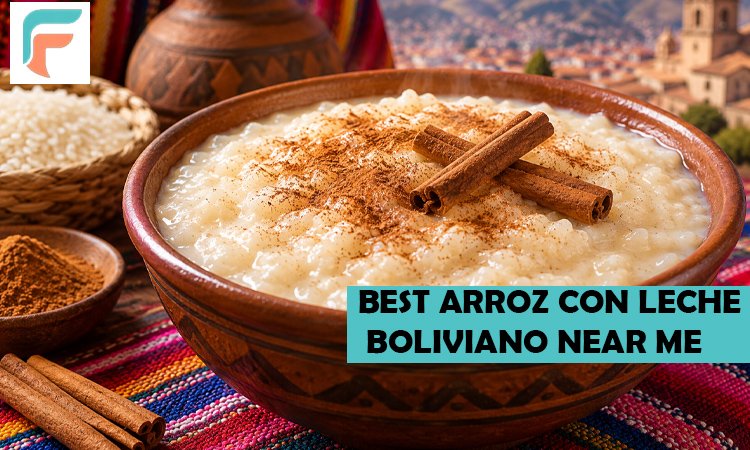
“Arroz con leche” means “rice with milk” in Spanish. It is a sweet rice pudding. You cook rice slowly in milk with sugar and spices until it becomes soft and creamy. People enjoy it in Spain and across Latin America.
The Bolivian style is known for its warm spices. Most recipes use cinnamon and cloves. A Bolivian-American food blogger shares a family version with short-grain rice, whole milk, a cinnamon stick, a few cloves, and only a little sugar. She says it can be eaten hot or cold. She also says she cannot promise it is the one “official” Bolivian recipe, because it comes from her grandmother’s kitchen.
That is an important point. There is no single national recipe for arroz con leche in Bolivia. Each family cooks it a little differently. Some add raisins. Some add a piece of lemon or orange peel. Some like it thick, and some like it thinner.
A group that works in Bolivia describes arroz con leche there as a warm dessert drink served with cinnamon. So in Bolivia you may find a thinner, more drinkable version than the thick pudding you know from other places. This is why it helps to ask questions before you order (see Tip 6).
Where Does Arroz con Leche Come From?
The full story is not simple, and food writers do not all agree.
Many sources say Spanish settlers brought rice pudding to Latin America, and then each country changed it with local tastes and ingredients. A Spanish cultural group says arroz con leche is one of the oldest desserts in Spain, and that the dish came from the Muslim world when Muslims ruled the south of Spain. Another food writer points out that four of the five main ingredients (rice, sugar, cinnamon, and lemon) first came from Asia.
So the dish has a long trip behind it. It crossed Asia, North Africa, Spain, and then the Americas. In Bolivia it became a comfort food that fits the local love of warm drinks and sweet spices.
What Does Good Bolivian Arroz con Leche Taste Like?
Before you search, it helps to know what you want. A good bowl usually has these things:
- A creamy feel. The rice is soft, but you can still see the grains. It should not feel like glue.
- Mild sweetness. It should taste like milk and spice, not only sugar.
- A warm spice smell. You should notice cinnamon first. Cloves give a deeper, slightly sharp note.
- A fresh taste. The milk should taste clean, and the rice should not taste dry or old.
- The right heat. Many Bolivian homes serve it warm, but cold is also common.
Keep this list in your mind. It will help you judge any bowl you try.
7 Easy Tips to Find the Best Arroz con Leche Boliviano Near You
Tip 1: Search with Better Words
Do not only search “arroz con leche near me.” That will show you many Mexican, Peruvian, Colombian, and general rice pudding results.
Try these searches instead:
- “Bolivian restaurant near me”
- “Bolivian food near me”
- “comida boliviana cerca de mí”
- “Bolivian bakery near me”
- “salteñas near me”
The last one is a smart trick. Salteñas are juicy baked pastries that many Bolivian kitchens make. A place that sells good salteñas is often run by Bolivian cooks, and these cooks often make desserts and warm drinks too.
Tip 2: Start with Bolivian Restaurants
The easiest way to find the real thing is to go where Bolivian cooks work. Open a map app, search for Bolivian food, and look at the menus.
Look for other Bolivian dishes on the menu, such as salteñas, silpancho, or api con pastel. Api is a warm, spiced drink made from purple or white corn. A travel site says locals often have it for breakfast on cold mornings, and that the spices remind people of mulled wine without alcohol. The pastel that goes with it is a fried pastry with cheese, often sprinkled with powdered sugar, according to a food tour blogger who tried it in La Paz.
If a restaurant makes api and pastel, the kitchen probably knows its Bolivian sweets and drinks.
Tip 3: Check Latin Markets and Bakeries
Not every city has a Bolivian restaurant. But many cities have Latin American markets, bakeries, and small cafes. Some of them sell homemade desserts, or they can tell you who does.
Ask the staff if they know a Bolivian cook or a Bolivian shop nearby. Small food businesses often know each other well. Even a short chat can lead you to a family kitchen that does not show up well online.
Tip 4: Read Recent Reviews with Care
Reviews are useful, but read them the right way.
- Search inside the reviews. On a map app, type “arroz con leche” in the review search box. Real mentions from real guests are worth more than a star rating.
- Check the dates. A review from last month tells you more than one from five years ago. Kitchens and owners change.
- Look for details. A helpful review says things like “creamy,” “not too sweet,” or “served warm.” A review that only says “great place” does not help you.
- Be careful with very similar reviews. If many reviews use the same strange words, they may not be real.
Tip 5: Look at Photos and the Menu
Photos can tell you a lot. Look for photos that guests took, not only photos from the business.
Good signs in a photo:
- A cinnamon stick or a light dust of ground cinnamon on top
- A creamy, slightly loose texture (not dry or stiff)
- Visible rice grains
- Raisins or citrus peel, if the cook uses them
Also read the dessert menu. Many places only say “rice pudding.” A place that writes “arroz con leche boliviano” and gives a short note about the recipe is often proud of it.
Tip 6: Ask Simple Questions
A short, friendly question can save you from a bad order. You can call or ask at the table. Here are good questions:
- “Do you make the arroz con leche fresh every day?”
- “Is it served warm or cold?”
- “Is it thick like pudding, or thinner like a drink?”
- “Do you use cinnamon and cloves?”
You do not need perfect Spanish. Most cooks like it when guests show real interest in their food.
Tip 7: Ask the Bolivian Community
The best tips often come from people. If you know a Bolivian neighbor, friend, or coworker, ask where they go when they miss home.
You can also look for Bolivian community groups in your city. Many have social media pages. Posts about food events, festivals, and pop-up kitchens are common. Home cooks sometimes sell desserts for pick-up, and these can be the best bowls you will ever eat.
How to Judge the First Bowl
You found a place. Now what? Use this simple check when your bowl arrives:
- Smell it first. You should smell cinnamon and warm milk.
- Taste a small spoon. Is it creamy? Is it too sweet?
- Check the rice. It should be soft, but not broken into mush.
- Check the temperature. If it should be warm, it should not be lukewarm.
- Notice the finish. A good arroz con leche leaves a light spice taste, not a heavy sugar taste.
If you like it, tell the staff. Small places remember kind guests.
Make It at Home While You Search
Sometimes the best bowl is the one you make yourself. Here is a simple recipe. It is based on the family recipe from the blogger mentioned above, and a second recipe from a Bolivia-based mission group that soaks the rice first.
What you need
- ½ cup short-grain rice
- 4 cups whole milk
- 1 cinnamon stick
- 4 whole cloves
- 2 tablespoons sugar (add more if you like it sweeter)
What to do
- Soak the rice in the milk in a saucepan for about 15 minutes. (The mission group soaks the rice in water for 30 minutes first, so you can try that too.)
- Add the cinnamon stick and cloves.
- Heat on medium until the milk starts to bubble, then turn the heat down to low.
- Cook for about 25 minutes. Stir often so the rice does not stick to the bottom.
- Add the sugar near the end and stir until it melts.
- Take out the cinnamon stick and cloves. Serve warm or cold, with a little ground cinnamon on top.
Tips: Use whole milk for the creamiest result. The blogger says she does not suggest parboiled rice for this recipe. If you want a thinner, more drink-like version, add a little more milk.
Food Safety: Keep Your Rice Pudding Safe
Rice and milk are both foods that need care. If you buy a big container or make a big pot at home, follow these simple rules from the US Department of Agriculture (USDA):
- Refrigerate within 2 hours. If it is hotter than 90°F (32°C) outside, do it within 1 hour.
- Cool it fast. Put the pudding in shallow containers so it cools quickly. A big deep pot cools slowly.
- Cover it well. Use a lid or airtight container.
- Eat it within 3 to 4 days. The USDA says leftovers last 3 to 4 days in the fridge.
- Reheat well. The USDA says to reheat leftovers to 165°F (74°C).
Why is rice special? Food safety writers explain that a germ called Bacillus cereus can live on rice as tough spores. The spores can survive cooking and grow if cooked rice sits out at room temperature. Some health groups are even more careful. The UK’s NHS, for example, suggests keeping cooked rice in the fridge for no more than one day. If you are not sure, eat it sooner or throw it out.
What to Eat with Arroz con Leche
If you are visiting a Bolivian restaurant, you can build a nice meal around your dessert:
- Salteñas for a savory start
- Api con pastel if the restaurant serves breakfast or has a morning menu
- Alfajores, soft sandwich cookies with dulce de leche, which many lists of Bolivian sweets include
Bolivian food often uses corn, potatoes, quinoa, and beans, plus chicken, beef, and pork. A creamy rice pudding is a gentle end to a hearty meal.
Common Mistakes to Avoid
- Judging by sweetness only. Very sweet does not mean authentic. Many Bolivian recipes use a small amount of sugar.
- Expecting one fixed recipe. Thick, thin, warm, cold, with raisins or without: all can be right.
- Trusting only star ratings. Read the words inside the reviews.
- Skipping the questions. Asking about warm or cold, thick or thin saves you from a surprise.
- Leaving leftovers out. Put them in the fridge fast.
Final Thoughts
Finding the best arroz con leche boliviano near you does not need luck. It needs a few smart steps. Search with the right words, look for real Bolivian kitchens, read reviews with care, ask simple questions, and listen to the community. Then check the smell, the texture, and the taste.
If you cannot find a good bowl nearby, make one at home. It only needs rice, milk, cinnamon, cloves, and a little patience. Either way, you will soon enjoy a warm and creamy bowl that tastes like Bolivia.
10 Frequently Asked Questions
1. What is arroz con leche boliviano?
It is the Bolivian style of rice pudding. Rice is cooked slowly in milk with sugar and warm spices such as cinnamon and cloves. It is served warm or cold, and it is a popular comfort dessert.
2. How is Bolivian arroz con leche different from other versions?
The big differences between countries are the spices, the thickness, the sweetness, and the serving temperature. Bolivian versions often use cinnamon and cloves, and many are not very sweet. In Bolivia you may also find a thinner, warm, drink-like style.
3. Is there one official Bolivian recipe?
No. Families make it in their own way. Some add raisins or citrus peel. That is why two Bolivian cooks can serve you two different bowls, and both can be authentic.
4. How do I find it near me?
Search for “Bolivian restaurant near me,” “Bolivian food near me,” or “salteñas near me.” Then check menus, photos, and recent reviews. Also visit Latin markets and ask Bolivian community groups. Tips 1 to 7 above explain each step.
5. What should I ask the restaurant before I order?
Ask if it is made fresh every day, if it is served warm or cold, if it is thick or thin, and if it uses cinnamon and cloves. These four questions tell you a lot.
6. Is arroz con leche served hot or cold?
Both are common. A Bolivian-American blogger says it can be eaten hot or cold. A mission group in Bolivia describes it as a warm dessert drink. Choose what you like best, or try both.
7. What rice is best for arroz con leche?
Short-grain rice is a good choice because it gives a creamy texture. One recipe blogger prefers short-grain rice and does not recommend parboiled rice. You can use other white rice if that is what you have, but the result may be less creamy.
8. Can I make it with less sugar or other kinds of milk?
Yes. You can add less sugar and taste as you go. Whole milk gives the creamiest result. Lower-fat milk works too, but the pudding will be lighter. Plant milks change the taste, so they are a different version, not the classic one.
9. How long can I keep leftover arroz con leche?
The USDA says leftovers keep 3 to 4 days in the fridge and 3 to 4 months in the freezer. Put the pudding in the fridge within 2 hours, store it in a covered container, and reheat it to 165°F (74°C). Because it contains rice, some experts suggest eating it even sooner.
10. What other Bolivian foods should I try?
Try salteñas, silpancho, and api con pastel. For sweets, look for alfajores. Each dish shows a different side of Bolivian cooking, and a restaurant that makes them well will likely make a good arroz con leche too.