

You are hungry, you want something creamy and a little spicy, and you type “best papa a la huancaína near me” into Google. Good choice. This Peruvian dish is simple, colorful, and very easy to love. But not every plate is the same. Some are smooth and full of flavor. Others are thin, plain, or served at the wrong temperature.
In this guide, I will explain what papa a la huancaína is, where it comes from, and what a good plate looks like. Then I will give you 7 easy tips to find a great one in your area. At the end, you will find a short home recipe and 10 common questions with clear answers.
Let’s start with the basics.
What Is Papa a la Huancaína?
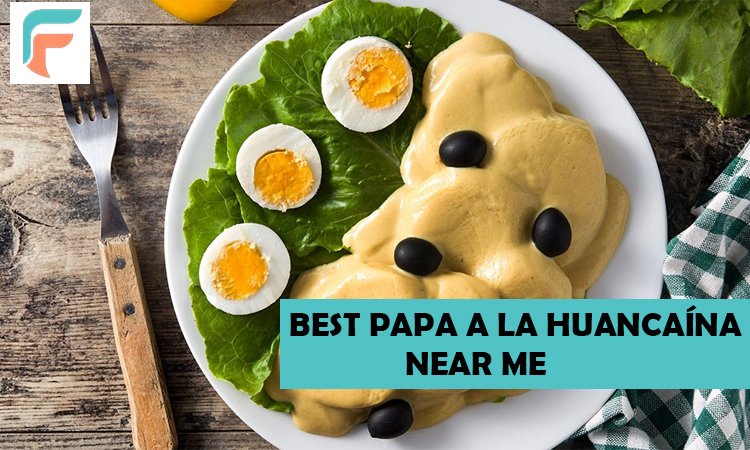
Papa a la huancaína is a cold starter from Peru. It is made with boiled yellow potatoes covered in a creamy yellow sauce. The main ingredients are yellow potatoes, queso fresco (a soft, fresh cheese), vegetable oil, ají amarillo (a yellow Peruvian chili pepper), evaporated milk, and salt. It is usually served with slices of hard-boiled egg and black olives, often on a bed of lettuce.
Many people say the name in Spanish, “papa a la huancaína.” You may also see it written as “papas a la huancaína” on menus. The words mean the same thing: potatoes in the style of Huancayo.
The dish is very popular in Peru. Wikipedia describes it as one of the most popular and typical foods of the country. Because it is served cold, Peruvians often take it on picnics and trips. It is easy to carry and tastes good even when it is not hot.
Where Does the Dish Come From?
The name points to Huancayo, a city high in the Andes mountains in central Peru. A food writer at Taste Cooking explains that “a la huancaína” means “in the style of Huancayo.”
The real story of the dish is not fully clear. Wikipedia says the origin is debated. The most famous story says it began when a railroad was built between Lima and Huancayo. Women from the Huancayo area cooked boiled potatoes for the workers and served them with a sauce of cheese, chili pepper, and milk. People liked it so much that it became a classic.
Other stories exist too, so it is best to say “maybe” when someone tells you the exact beginning. What we know for sure is that the dish is now a symbol of Peruvian food, and you can find it in Peruvian restaurants around the world.
What Goes Into a Good Plate?
A great papa a la huancaína is simple, but each part matters. Here is what to look for.
The potatoes. In Peru, cooks use papa amarilla, a yellow Andean potato with a dense, slightly buttery taste. Outside Peru, many restaurants use Yukon Gold or a similar yellow potato. The potatoes should be soft inside but not falling apart.
The sauce. This is the heart of the dish. The sauce is made in a blender with ají amarillo, queso fresco, evaporated milk, oil, and often a few soda crackers to make it thicker. One Peruvian cooking blog says the sauce should be about as thick as custard. If it is too thick, a little more milk fixes it.
The toppings. Hard-boiled egg and black olives are the classic choices. Lettuce is common too. These toppings are not just decoration. The salty olive and the soft egg balance the rich sauce.
The temperature. The dish is served cold or at room temperature. A warm plate is a sign that something is not right.
7 Easy Tips to Find the Best Papa a la Huancaína Near You
Now for the part you came for. These tips will help you find a good plate without wasting time or money.
Tip 1: Start With Peruvian Restaurants
The simplest way to find a good papa a la huancaína is to look for a Peruvian restaurant. The dish is a standard starter on most traditional Peruvian menus. A restaurant that cooks Peruvian food every day usually knows how to make the sauce well.
Other Latin American restaurants may offer it too, but a Peruvian kitchen is the safest bet. If your town has more than one, you can compare them using the next tips.
Tip 2: Use Google Maps and Yelp the Smart Way
Open Google Maps and search for “Peruvian restaurant” near you. Then try a second search with the dish name, such as “papa a la huancaína.” On Yelp, you can choose the Peruvian cuisine filter and type the dish name in the search box.
Do not just pick the place with the most stars. Open the photos and the menu. Check if the dish is listed and if people mention it in their reviews. A restaurant with 4.3 stars and many photos of the dish can be a better pick than one with 4.8 stars and no mention of it.
Tip 3: Check the Sauce Color in Photos
Photos can tell you a lot. A good huancaína sauce is usually a bright yellow or an orange-yellow color. That color comes from the ají amarillo.
If the sauce looks very pale, white, or watery in customer photos, the cook may be using too little pepper or too much milk. If it looks smooth and shiny, with the eggs and olives placed neatly on top, that is a good sign.
Tip 4: Make Sure It Is Served Cold
Papa a la huancaína is designed to be made ahead, chilled, and served cold or at room temperature. If a review says the plate arrived hot, the kitchen may not be following the traditional way.
You can also call the restaurant and ask. A short question like “Is your papa a la huancaína served cold?” is easy to answer, and it shows you care about the dish.
Tip 5: Read Reviews for the Sauce, Not Only the Service
When you read reviews, use the search box inside the review page. Type “huancaína” or “papa” and read only those comments. Many people write about service and parking, which is useful, but you want to know about the sauce.
Look for words like creamy, smooth, fresh, and balanced. Be careful with comments like watery, bland, or too salty. Also check the date. A review from last month tells you more than one from five years ago.
Tip 6: Ask Two Simple Questions
If you can call or talk to the staff, ask these two things:
- Do you make the sauce fresh in the restaurant?
- What kind of potato do you use?
A kitchen that makes its own sauce and uses yellow potatoes usually cares about quality. You do not need a perfect answer. You are just checking that the staff is proud of the dish and knows what is in it.
Tip 7: Order It the Peruvian Way
Papa a la huancaína is a starter. In Peru, it often comes before bigger dishes such as ceviche, lomo saltado, or ají de gallina. Order it first, share it with the table, and then enjoy your main dish.
Try a traditional drink with it. Chicha morada, a sweet purple corn drink, and Inca Kola are common choices at Peruvian restaurants. The sweet drinks go well with the rich and slightly spicy sauce.
What If There Is No Peruvian Restaurant Nearby?
Not every town has one, and that is okay. You have a few other options.
First, check food trucks, pop-up kitchens, and small family cafes. Some of them post their menu on social media. Second, look for Latin American markets. Some sell ají amarillo paste, and a few may sell ready-made sauce. Third, make it at home. This is one of the easier Peruvian recipes, and the sauce takes only a few minutes in a blender.
A Simple Home Recipe
If you cannot find a good plate nearby, try this easy version. It is based on the simple recipes shared by A Cozy Kitchen, Tropical Cheese, and other food sites. Your own taste matters most, so change the amounts as you like.
Serves: 4 Time: about 35 minutes
What you need:
- 4 large yellow potatoes (Yukon Gold works well)
- 1/2 cup ají amarillo paste
- 2 tablespoons vegetable oil
- 1 cup evaporated milk
- 4 soda crackers
- A piece of queso fresco (about 200 grams is a common amount; feta is a popular substitute outside Peru)
- 4 hard-boiled eggs
- Black olives and lettuce leaves for serving
Steps:
- Boil the potatoes in salted water until they are soft. This usually takes 20 minutes or a little more. Let them cool, then peel and slice them.
- Put the ají amarillo paste, oil, evaporated milk, crackers, and cheese in a blender. Blend until smooth.
- Taste the sauce. Add salt if you need it. If it is too thick, add a little more milk. It should be about as thick as custard.
- Put a lettuce leaf on each plate. Add the potato slices on top.
- Pour the sauce over the potatoes. Add egg quarters and olives.
- Serve cold or at room temperature.
A small tip: you can make the sauce a day early and keep it in the fridge. The flavor is often even better the next day.
Is Papa a la Huancaína Healthy?
It is a rich dish, so it is best enjoyed as a starter or a small meal. One recipe from A Cozy Kitchen lists about 350 calories per serving, but the number can change with the size of the plate and the amount of sauce. Restaurants may use more cheese or oil.
On the good side, potatoes give you potassium and vitamin C, and the egg adds protein, according to the Sylvia Center. If you want a lighter plate, share it with a friend or ask for the sauce on the side.
Final Thoughts
Finding the best papa a la huancaína near you does not need to be hard. Start with Peruvian restaurants, check the photos and the reviews, and look for a bright, creamy sauce on soft yellow potatoes. Make sure the plate is served cold, and do not be shy about asking the staff two quick questions.
If you cannot find a good one, the home recipe above gives you a tasty backup. Either way, you will enjoy one of the friendliest dishes in Peruvian food. Now it is time to open Google Maps and find your next plate. Buen provecho!
10 Frequently Asked Questions
1. What is papa a la huancaína?
It is a Peruvian cold starter. Boiled yellow potatoes are covered with a creamy sauce made from ají amarillo, queso fresco, evaporated milk, and oil. It usually comes with boiled egg and black olives.
2. Is papa a la huancaína served hot or cold?
It is served cold or at room temperature. This is one reason it is so popular for picnics and trips in Peru.
3. Is the dish spicy?
It has a gentle kick, but it is usually not very hot. Ají amarillo has a fruity flavor and a medium heat. Some cooks make the sauce milder, and some make it stronger, so you can ask the restaurant if you are unsure.
4. Is papa a la huancaína vegetarian?
The classic version has no meat. It has potatoes, cheese, milk, egg, and olives. So it is usually fine for vegetarians who eat dairy and eggs. It is not vegan. If you follow a strict diet, ask the staff how they make the sauce.
5. Which potatoes are used?
In Peru, cooks use papa amarilla, a yellow Andean potato. In other countries, Yukon Gold and similar yellow potatoes are a good choice because they are creamy and keep their shape.
6. Why is it called “a la huancaína”?
The name means “in the style of Huancayo,” a city in the Peruvian Andes. Wikipedia says the exact origin is still debated, but the name points to that area.
7. What should I order with it?
Papa a la huancaína is a starter, so it goes well before ceviche, lomo saltado, or ají de gallina. For a drink, many people choose chicha morada or Inca Kola.
8. How do I find the best one near me online?
Search for Peruvian restaurants on Google Maps, then check photos and reviews. On Yelp, use the Peruvian cuisine filter and add the dish name. Look for a bright yellow sauce and comments that mention a creamy, fresh taste.
9. What can I do if no restaurant near me serves it?
Try Latin American restaurants, food trucks, and pop-up kitchens. You can also make it at home. The sauce is quick to blend, and ají amarillo paste is sold in many Latin markets and online shops.
10. How many calories are in one plate?
It depends on the recipe and the portion. One home recipe lists about 350 calories per serving. Restaurant plates can be bigger and richer, so the number may be higher.