

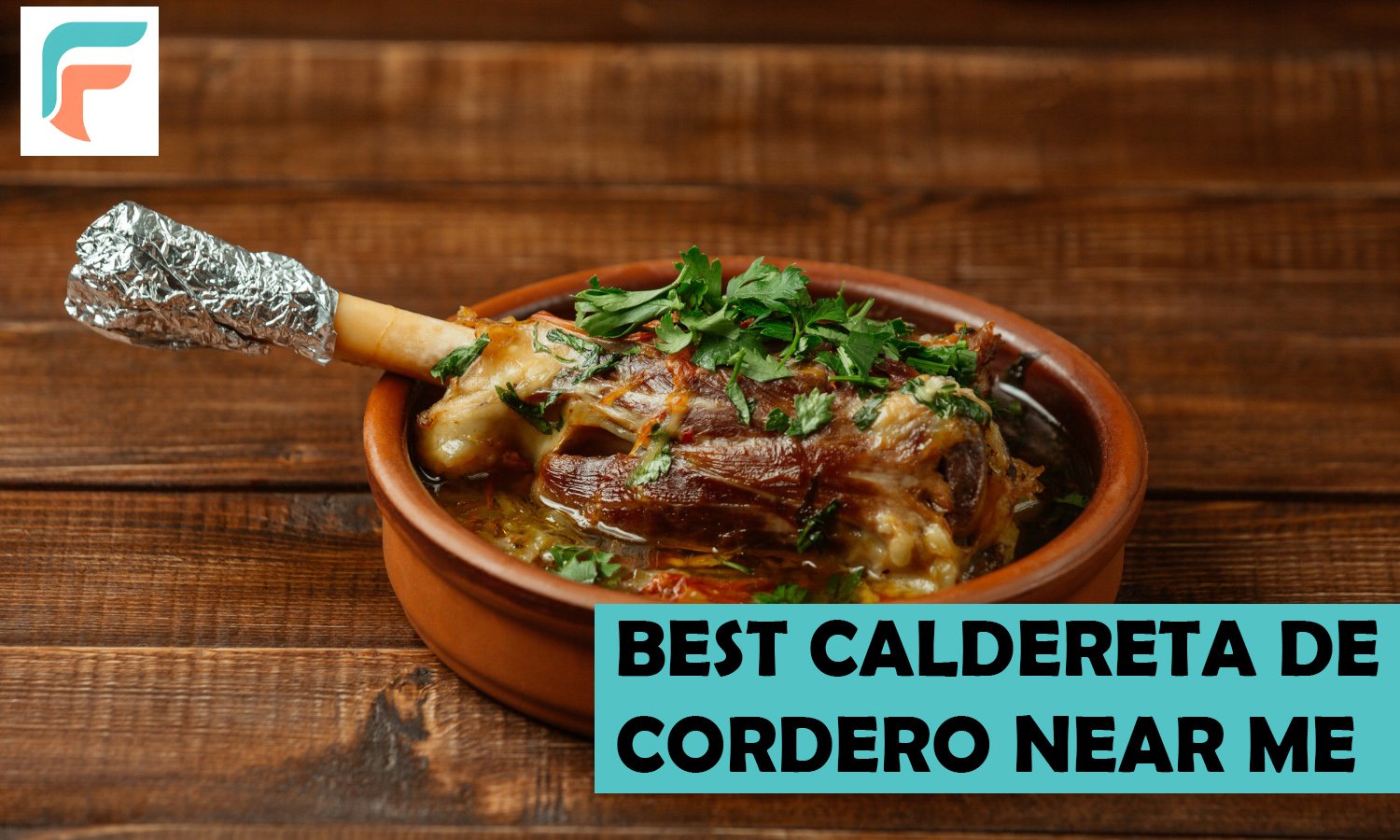
Have you ever typed “best caldereta de cordero near me” into your phone because you were hungry for a warm, slow-cooked lamb stew? You are not alone. This dish is loved in Spain, and a similar stew is popular in the Philippines too. But finding a good bowl nearby is not always easy. Some places cook it for hours. Others rush it, and the meat comes out tough or the sauce tastes thin.
This guide will help you choose with confidence. You will learn what caldereta de cordero really is, what makes one bowl better than another, how to search for it, and what to ask before you order. If you cannot find a good place, there is also a short section on cooking it at home.
What Is Caldereta de Cordero?
“Cordero” is the Spanish word for lamb. “Caldereta” comes from “caldero,” a big pan or pot that was often used over an open fire. So the name simply means a lamb stew cooked in a pot.
In Spain, this dish is linked to the regions of Extremadura and Castile and León. It is often made for festive days and family meals. The Fascinating Spain website describes it as a traditional rural stew with a strong flavor, and it says you need patience and good lamb to make it well. Spanish lamb with a protected quality label, such as Lechazo from Castile and León or Ternasco from Aragón, is often praised for this dish.
A classic Spanish version usually has these things:
- Lamb cut into pieces, often shoulder or ribs
- Garlic, onion, and peppers
- Paprika, bay leaf, and herbs like thyme or rosemary
- White or red wine
- A thick paste made from bread, nuts, or liver, which gives the sauce body
The Spain Tourism website lists a cooking time of about three hours for the Extremadura style. That is a good clue. A real caldereta is not a fast dish.
Two Styles You May Find Near You
When you search for caldereta, you may see two different dishes with almost the same name. This can be confusing, so it helps to know the difference.
Spanish caldereta de cordero
This is the original lamb stew. The sauce is often rich and earthy. Cooks in Extremadura like to use smoked paprika, and Stew Quest notes that many locals feel the stew is not complete without Pimentón de la Vera, a smoked paprika from that region. Other cooks add tomato, oregano, or mashed potato, and these are all fine.
Many Spanish recipes also use a “majado” or “picada.” This is a paste made in a mortar from things like fried bread, almonds, garlic, and sometimes liver. It is stirred into the stew near the end to make the sauce thicker and deeper in flavor. José Pizarro, a well-known Spanish chef in the UK, uses a picada made from bread, almonds, and dried choricero peppers.
Traditionally, the stew is served in a clay pot, often with crusty bread or boiled potatoes.
Filipino kaldereta
The Philippines also has a dish called caldereta or kaldereta. It came from the Spanish stew during the long Spanish rule, and the name has the same root. Over time, Filipino cooks changed it to fit local taste and local food.
The Filipino version is usually a tomato-based stew. According to sources like Wikipedia and a food-history article from a Philippine caterer, it often has potatoes, carrots, bell peppers, olives, and chili. Liver spread is a common helper that makes the sauce thick. Goat was the first meat used. Today you will often find beef, pork, or chicken as well. The names change with the meat: kalderetang kambing is goat, kalderetang baka is beef, kalderetang baboy is pork, and kalderetang manok is chicken. Some cooks also make a creamy version with coconut milk, called “sa gata.”
In the Philippines, kaldereta is a party food. You will see it at fiestas, birthdays, and family gatherings, and it is usually eaten with steamed rice.
So before you go out, decide what you want. If you want lamb in the Spanish style, search for “caldereta de cordero” at Spanish or Spanish-style restaurants. If you want the Filipino style, look at Filipino restaurants and ask if they have a goat or lamb version. Many Filipino places make it with beef by default.
Why This Stew Takes So Long
Lamb shoulder is a hard-working muscle. It has a lot of tough tissue, which is why it needs time. A food article from Tasting Table explains that cuts like shoulder do best with low and slow cooking. A cooking guide from Safeway says to braise lamb for about two to four hours until it is soft enough to break apart with a fork.
During this time, the tough tissue turns into soft gelatin. That is what makes the meat tender and the sauce a little sticky and rich. If the kitchen rushes, the meat will feel chewy.
There is also a limit. Too much time can dry out the meat. The best cooks watch the pot and stop at the right moment. This is why a good caldereta tastes different from a bad one, even when the ingredients look the same on the menu.
How to Search for the Best Caldereta Near You
Here are some simple ways to find a good place without wasting time or money.
1. Use more than one search term
Do not only type the full phrase. Try these ideas too:
- “caldereta de cordero restaurant”
- “lamb stew Spanish restaurant”
- “Spanish restaurant lamb”
- “kalderetang kambing” or “goat kaldereta” if you want the Filipino style
- “Spanish tapas bar” or “Mediterranean restaurant”
Some places write the dish in English, such as “Spanish lamb stew.” Others use the Spanish name. A small restaurant may not have a website, so also check map apps.
2. Read reviews with care
On map apps, use the search box inside the reviews. Type “lamb,” “caldereta,” or “stew.” This shows only the comments about the dish you want. Look for words like “tender,” “rich,” “slow-cooked,” and “falls off the bone.” Be careful with comments that say “dry,” “tough,” “salty,” or “too greasy.”
Also check the date. Menus change. A review from three years ago may talk about a dish that is no longer served.
3. Look at the menu photos
Photos from guests are often more honest than photos from the restaurant. A good caldereta should look glossy and thick, not watery. You should see real chunks of lamb, not tiny pieces mixed with a lot of potato.
4. Check the daily special
Many places do not keep this dish on the menu every day. Because it takes hours, some restaurants cook it only on certain days or in small batches. Check their social media page or call before you go.
5. Ask local people
Spanish shops, Filipino shops, and local food groups online are good places to ask. People who love this dish often know the one small kitchen that does it right.
Signs of a Great Bowl
Once you are at the table, here is what to look for.
The meat is tender but not mushy. You should be able to cut it with a spoon or break it with a fork. It should still have some bite and not turn into dust.
The sauce has body. It should coat the spoon. A thin, watery sauce often means the dish was not cooked long enough or the sauce was not thickened properly.
The flavor is balanced. In the Spanish style, you should taste lamb, garlic, paprika, and a little wine. In the Filipino style, you should taste tomato, a savory richness, and a little heat. If it only tastes salty, that is a warning sign.
The lamb does not smell too strong. Good lamb has a mild, rich smell. A very strong or sour smell can mean old meat or poor cooking.
It is served hot. A stew should arrive steaming. Warm is not enough.
The portion makes sense. The bowl should have a good amount of meat, with vegetables as support, not as filler.
Questions to Ask the Staff
You do not need to be shy. Staff are usually happy to talk about their food. A few friendly questions can tell you a lot.
- “How long do you cook the caldereta?” A good answer is several hours, not a short time.
- “What cut of lamb do you use?” Shoulder, ribs, or neck are all common for stews.
- “Is it made today?” Fresh is best, but many stews also taste great the next day.
- “Is it Spanish style or Filipino style?” This helps you know what you are getting.
- “What is in the sauce?” This matters if you have allergies. Many Spanish recipes use almonds or liver, and some Filipino versions use liver spread or peanut butter.
- “Is it spicy?” Chili is common in both styles.
If the staff cannot answer any of these, it may mean the dish is made in a central kitchen or bought ready-made. That is not always bad, but it can be a sign.
What to Eat With It
A rich stew goes well with simple sides.
For the Spanish style, try:
- Crusty bread to clean the sauce from the plate
- Boiled or fried potatoes
- A simple green salad with lemon or vinegar to cut the richness
- A glass of red wine, if you drink alcohol
For the Filipino style, try:
- Hot steamed rice
- A cold drink or a light soup on the side
- A fresh vegetable dish to balance the strong flavors
Tips for Getting Good Value
Caldereta can be a big meal, so these tips can help you enjoy it without overspending.
- Go with friends or family. Stews are made for sharing. Some places offer a large clay pot or a family tray that costs less per person.
- Ask about lunch menus. Some restaurants serve stew as part of a set lunch.
- Order the next day if you can. Many cooks say a stew tastes better after resting. The flavors settle together.
- Check what is included. Ask if bread, rice, or a side comes with the dish.
Common Mistakes to Avoid
- Ordering based on the name only. Two restaurants can both say “caldereta” and serve very different dishes.
- Ignoring allergy details. Nuts, liver, and wine can all be hidden in the sauce.
- Expecting a fast meal. If the dish arrives in five minutes, ask whether it was made earlier. That can be fine, but check that it is hot and fresh.
- Judging from one visit. A kitchen can have a bad day. If the place has many good reviews, give it a second try.
Can’t Find It? Make Caldereta at Home
If there is no good caldereta near you, cooking it yourself is easier than you may think. You do not need special skills. You need time.
Here is a simple Spanish-style outline based on common recipes from Spain Tourism, Fascinating Spain, and José Pizarro.
You will need:
- About 1 kg of lamb shoulder or other stew meat, cut into pieces
- Olive oil
- 1 large onion and 3 or 4 cloves of garlic
- 1 red pepper
- 1 tablespoon of paprika, preferably smoked
- A glass of white wine
- Bay leaf and thyme
- Salt and pepper
- Optional: a slice of fried bread and a few almonds, mashed with garlic to thicken the sauce
Steps:
- Dry the lamb with a paper towel and season it with salt and pepper.
- Heat oil in a heavy pot. Brown the meat in small batches. If you add too much at once, the meat will steam and not brown. Remove the meat and set it aside.
- In the same pot, cook the onion, garlic, and pepper until soft.
- Add the paprika and stir for a few seconds. Then add the wine and let it bubble for a minute or two.
- Return the lamb to the pot. Add the bay leaf, thyme, and enough water or stock to almost cover the meat.
- Cook on very low heat, with the lid mostly on, until the lamb is soft. Plan for around two to three hours. Check the pot now and then and add a little water if it gets dry.
- If you made the bread and almond paste, stir it in near the end and cook a little longer so the sauce thickens.
- Taste and fix the salt. Let the stew rest for a few minutes before you serve it.
Serve it with bread or potatoes. You can also make it a day ahead. Reheat it gently on the stove.
Final Thoughts
The best caldereta de cordero near you is not always the fanciest or the most famous. It is the one where the cook gives the lamb enough time, builds a rich sauce, and serves it hot. Now you know how to read reviews, what to ask, and what a great bowl looks and tastes like.
Start with a few good searches, call ahead if you can, and do not be afraid to ask questions. And if you cannot find the right bowl, you can always cook your own.
Frequently Asked Questions
1. What does “caldereta de cordero” mean?
It means lamb stew. “Cordero” is lamb, and “caldereta” comes from a word for a large cooking pot. The name describes a stew cooked slowly in a pot.
2. Where does caldereta de cordero come from?
The classic version comes from Spain. It is especially linked to Extremadura and Castile and León. A similar dish was later brought to the Philippines during Spanish rule, where it changed to suit local taste.
3. Is Spanish caldereta the same as Filipino kaldereta?
No, but they are related. The Spanish stew often uses lamb, wine, paprika, and a thick paste of bread and nuts or liver. The Filipino version is usually based on tomato, with liver spread, bell peppers, potatoes, and carrots. It is commonly made with goat, beef, pork, or chicken.
4. What kind of lamb is best for caldereta?
Cuts with tough tissue, like shoulder, ribs, or neck, work best. They have a lot of flavor and become soft after long, slow cooking. Lean, quick-cooking cuts are not as good for stew.
5. How long does it take to cook caldereta de cordero?
Most recipes need between two and four hours, depending on the size of the meat pieces and the cut. One Spanish tourism source lists about three hours for a traditional version. If the meat is still tough, it usually needs more time on low heat.
6. Is caldereta de cordero spicy?
It depends on the cook. Many Spanish recipes use a little chili or hot paprika, but the dish is not usually very hot. Filipino versions often have more heat. You can ask the restaurant to tell you how spicy it is before you order.
7. Does caldereta contain nuts or liver?
Often, yes. Many Spanish recipes use almonds and sometimes chicken or lamb liver in the paste that thickens the sauce. Some Filipino recipes use liver spread or peanut butter. If you have an allergy, always ask the staff about the ingredients.
8. What should I serve with caldereta?
For the Spanish style, bread and potatoes are the classic choices. A simple salad also helps balance the richness. For the Filipino style, hot steamed rice is the usual partner.
9. Can I make caldereta ahead of time?
Yes. Many people think stews taste better after they rest, because the flavors settle together. Keep it in the fridge and reheat it slowly on the stove until it is steaming hot.
10. How can I tell if a restaurant makes a good caldereta?
Check recent reviews that mention the dish. Look for words like tender, rich, and slow-cooked. Ask how long it is cooked and what cut of lamb is used. A good bowl will have soft meat, a thick sauce, and a balanced flavor. It should also arrive hot.