

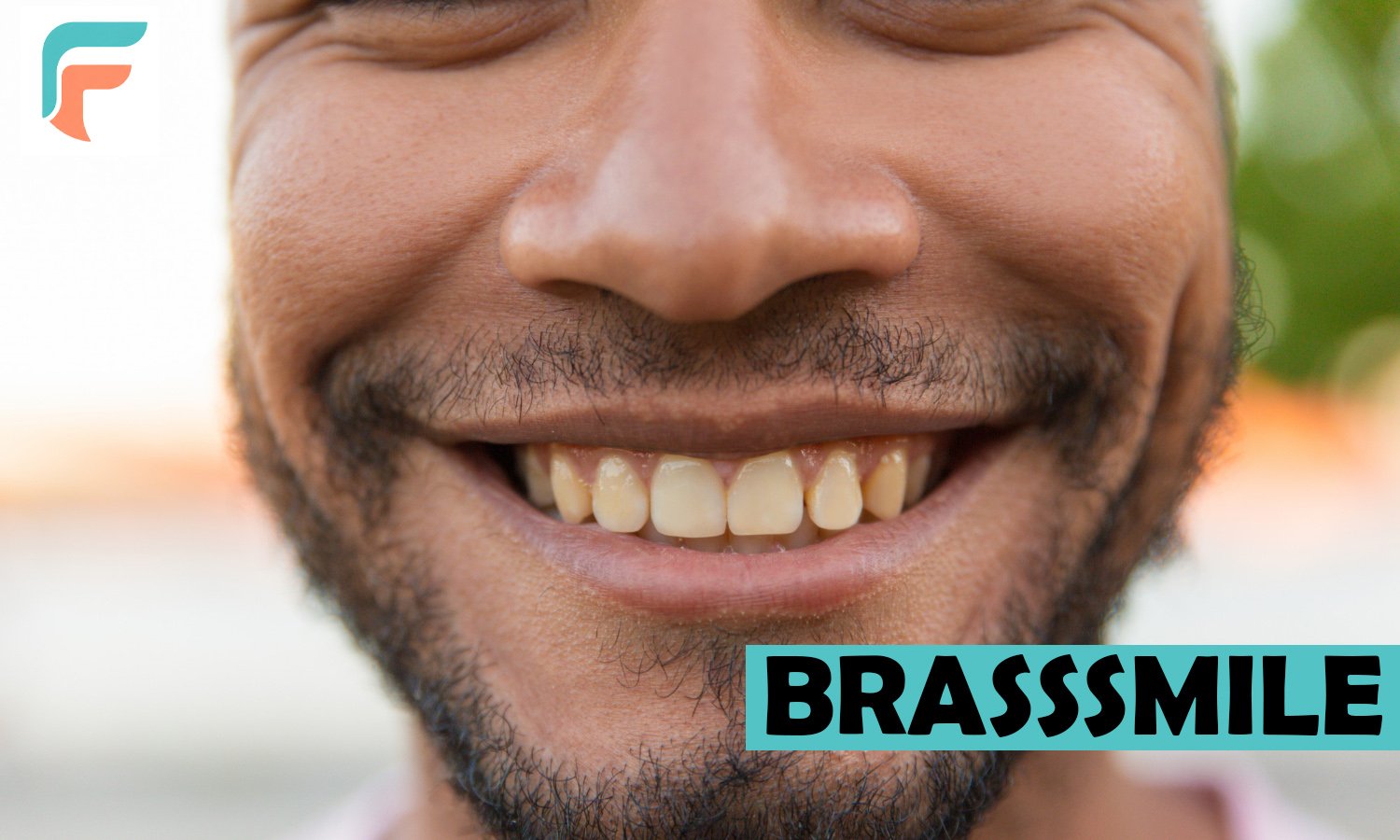
If you searched for “BrassSmile” on Google, you probably noticed something odd. Some pages say it is a dental service. Some say it is a site about braces. Others use the words “brass smile” to talk about a confident smile. So what is the real story?
What Is BrassSmile?
The honest answer is: it depends on which page you read.
One website with the name BrassSmile says it is an independent source of braces information. It says it does not sell braces, does not own clinics, and does not take money from aligner companies. The site says it was started in 2023 by a person who worked for twelve years as a treatment coordinator in an orthodontic office in Chicago. Its goal is to explain braces, clear aligners, treatment time, insurance, and how to pick a good orthodontist in plain language.
Other pages describe BrassSmile in a different way. Some say it is a dental platform that joins cosmetic dentistry with digital tools, such as 3D images, to plan whitening, alignment, or veneers. A few pages say it is an at-home smile product that hides small problems like stains or small chips. And some pages use “brass smile” only as a phrase for a warm, confident smile.
These descriptions do not match each other. Many of these pages also look alike and repeat the same sentences. Because of this, we cannot confirm that BrassSmile is one single clinic or one single product. If you plan to pay for a treatment from anyone using this name, check the company yourself first. We explain how to do that later in this article.
The good news is that the goals behind the name are clear and common: a whiter smile, straighter teeth, and healthy gums. We can talk about all three using information from well-known dental sources.
Why a Good Smile Matters
A smile is not only about looks. Healthy teeth help you chew food, speak clearly, and feel at ease around other people. Gum problems and tooth decay can cause pain and can become costly if you wait too long.
Many people also feel more confident when they like their smile. That feeling is personal, and it is a fine reason to care about your teeth. Just remember that a healthy mouth comes first. A very white smile with sore gums is not a good result.
Part 1: Teeth Whitening
How whitening works
Most whitening products use hydrogen peroxide or carbamide peroxide. These chemicals break apart the dark compounds that stain your teeth. That is why teeth look lighter after treatment.
Your main options
There are three common ways to whiten your teeth:
- In-office treatment. A dentist uses a stronger product and can lighten your teeth faster, often with fewer visits.
- At-home trays and strips. These can work well, but you usually need to use them for several weeks. Custom trays from a dentist fit your teeth, so less gel touches your gums.
- Whitening toothpaste and rinses. These can help a little, but they often take longer and the change is usually smaller.
Store-bought strips and toothpastes are usually less strong than office treatments. They can also bother your gums if the gel touches them.
Safety tips
The American Dental Association (ADA) says there are safe and effective whitening choices, but whitening is not right for everyone. Here is what it suggests:
- Talk to your dentist first. They can check for cavities, gum problems, or old fillings and crowns. Whitening gel does not change the color of fillings or crowns, and peroxide may react with some dental work.
- Choose products with the ADA Seal of Acceptance if you buy them in a shop.
- Do not use household items to whiten teeth. Ideas from social media, such as harsh scrubs, can hurt your enamel.
- Expect some side effects. Short-term tooth sensitivity and gum irritation are common. If it hurts, stop for a few days and ask your dentist for advice.
- Be careful with unlicensed services. The ADA has warned about whitening done by people who are not dental professionals. Problems can include gum damage, more sensitivity, and infections.
How long do results last?
With good care, professional whitening can last more than a year. To help the color stay, brush well, visit your dentist often, and limit drinks that stain, such as coffee, tea, and red wine. Using a straw can also reduce contact between these drinks and your teeth. Dentists often suggest avoiding strongly colored foods and drinks right after whitening, because your teeth are more open to stains for a short time.
Part 2: Straighter Teeth with Braces and Aligners
If your teeth are crowded, have gaps, or do not meet well when you bite, an orthodontist may suggest braces. The right treatment depends on your exact problem.
Main types of braces
According to the UK National Health Service (NHS), these are the main types:
- Fixed braces. These are glued to your teeth and cannot be removed. Brackets are joined by a wire, and the wire is changed during treatment. They are the most common type, and they are usually metal, so people can see them.
- Ceramic or clear braces. These look less noticeable than metal, but they usually cost more.
- Lingual braces. These sit on the back of the teeth. They are also usually more expensive.
- Removable braces and aligners. These can help with smaller problems, or they can be used with fixed braces. They only work if you wear them as told.
- Retainers. You use these after treatment to keep your teeth in their new place.
In more serious cases, treatment may include braces and also surgery on the jaw.
How long does treatment take?
Every mouth is different. The NHS says people often get good results within 6 to 30 months, as long as they follow the advice of their orthodontist and wear a retainer every night as instructed. Complex cases can take longer. You will usually visit every 6 to 8 weeks so the orthodontist can adjust your braces.
Not following the plan can make treatment last longer. For example, if you forget to wear elastics or a removable brace, your teeth may not move as expected.
What about cost?
Cost changes a lot from one country and one clinic to another. It depends on the type of braces, how hard your case is, and where you live. In the UK, some young people can get free NHS treatment, which usually uses metal braces, and adults usually pay. In other countries the rules are different, so ask for a full price in writing before you start, including check-ups and retainers.
Caring for braces
Braces make cleaning harder, so you need a little more time every day. The NHS suggests:
- Use an interdental brush every day to clean between your teeth and under the wires.
- Keep going to regular dental check-ups.
- Do not chew gum, because it can get stuck in your braces.
- Contact your orthodontist if a part breaks, or if your gums look very red and swollen.
If you wear braces, waxed floss and a floss threader can help you get under the wires.
Part 3: The Daily Routine That Protects Any Smile
Whitening and braces are only useful if your teeth and gums are healthy. The ADA gives simple advice that works for almost everyone.
Brushing
- Brush two times a day for two minutes with a fluoride toothpaste.
- Use a soft toothbrush that fits your mouth well. An electric brush is fine, but any brush you can use comfortably can work.
- Hold the brush at a slight angle toward the line where your teeth meet your gums.
- Use short, gentle strokes on the outside, the inside, and the chewing surfaces.
- Brush your tongue gently from back to front to help with bad breath.
- Press lightly. Hard scrubbing can wear down enamel and hurt your gums.
- Change your toothbrush every three to four months, or sooner if the bristles are bent.
Cleaning between your teeth
Brushing cannot reach all the places between your teeth. Clean there once a day with floss or another tool, such as an interdental brush or a water flosser. Here is the usual way to floss:
- Take about 18 inches (45 cm) of floss and wind most of it around one finger.
- Slide the floss gently between two teeth. Do not snap it down.
- Curve it into a C shape around one tooth and move it up and down.
- Do the same on the other tooth, then use a clean part of the floss for the next gap.
The ADA says you can floss before or after brushing. Choose what you will do every day.
Food and drink
What you eat matters too. Sugary snacks and drinks feed the bacteria that cause decay. Dairy foods give calcium and vitamin D, which help keep teeth strong. Water is a good choice during the day, especially after meals.
Dental visits
Even with perfect habits, you need check-ups. Your dentist can remove plaque from hard places and find early signs of cavities or gum disease. Ask your dentist how often you should come. Many people go every six months, but some need more or fewer visits.
How to Check Any “BrassSmile” Offer Before You Pay
Because the name is used on so many pages, it is smart to be careful. Here is a simple checklist:
- Look for a real address and a real license. A real dental practice can show who the dentist is and where they are registered.
- Search for the dentist’s name on your local dental council or association site.
- Be careful with promises like “overnight results” or “permanent smile in minutes.” Dental work takes planning, and results depend on your teeth.
- Ask for a clear treatment plan and price in writing.
- Check for an exam first. A good provider looks at your teeth and gums before suggesting anything.
- Read reviews on more than one site, and be aware that some reviews are not real.
- Ask your own dentist. They know your mouth and can tell you if a product or plan is a good idea.
If something feels rushed or the company will not answer simple questions, step away.
A Simple Plan to Start Today
You do not need a special brand to improve your smile. Here is an easy plan:
- This week: Brush for two full minutes, twice a day. Add floss or an interdental brush once a day.
- This month: Book a check-up and a cleaning. Ask your dentist if whitening or braces would suit you.
- Next few months: If you choose treatment, get a written plan, follow the instructions, and keep your retainer or aftercare routine.
Small habits done every day will help more than any quick fix.
Final Thoughts
“BrassSmile” is a name that points to different things online. One site uses it for independent braces information, and other pages use it for dental services or just for the idea of a confident smile. We could not confirm that it is one single clinic or product, so be careful and check facts before you spend money.
What we can say for sure is what keeps a smile healthy: good brushing, cleaning between teeth, regular dental visits, and safe choices when you whiten or straighten your teeth. Talk to a licensed dentist, ask questions, and choose the option that fits your mouth and your budget.
Frequently Asked Questions
1. What is BrassSmile?
BrassSmile is a name used by several websites. One site presents it as an independent source of information about braces. Other pages describe it as a dental service or a smile product. Because the descriptions differ, check any offer carefully before you pay.
2. Is BrassSmile a real dental clinic?
We could not confirm that. The pages we found do not agree with each other, and some look copied. If you are thinking about treatment, ask for the dentist’s name and license, and check it with your local dental council.
3. Is teeth whitening safe?
The ADA says safe and effective options exist, both at the dentist and at home. Side effects such as sensitive teeth and sore gums can happen. Whitening is also not right for everyone, so talk to your dentist first.
4. How long does teeth whitening last?
It depends on the treatment and on your habits. Professional whitening can give good results for more than a year with proper care. Coffee, tea, red wine, and smoking can make stains return sooner.
5. Can I whiten my teeth with home remedies?
The ADA advises against using household items to whiten teeth. Some can harm your enamel. If you want a safer choice, look for products with the ADA Seal of Acceptance or ask your dentist for a plan.
6. How long do braces take to work?
Many people see good results within 6 to 30 months, according to the NHS. Your own time depends on how complex your case is and how well you follow your orthodontist’s instructions.
7. What are the main types of braces?
The main types are fixed braces (usually metal), ceramic or clear braces, lingual braces behind the teeth, and removable braces or aligners. After treatment, most people also wear a retainer. Your orthodontist can tell you which type suits your teeth.
8. How often should I brush and floss?
The ADA suggests brushing twice a day for two minutes with fluoride toothpaste, and cleaning between your teeth once a day. You can floss before or after brushing.
9. Can adults get braces?
Yes. Braces are not only for children and teenagers. Adults can have them too, although in some health systems adults usually need to pay for treatment.
10. How can I keep my smile healthy for a long time?
Brush and clean between your teeth every day, visit your dentist regularly, limit sugary and staining drinks, and wear your retainer if you have one. Avoid risky shortcuts, and choose licensed professionals for any dental treatment.