

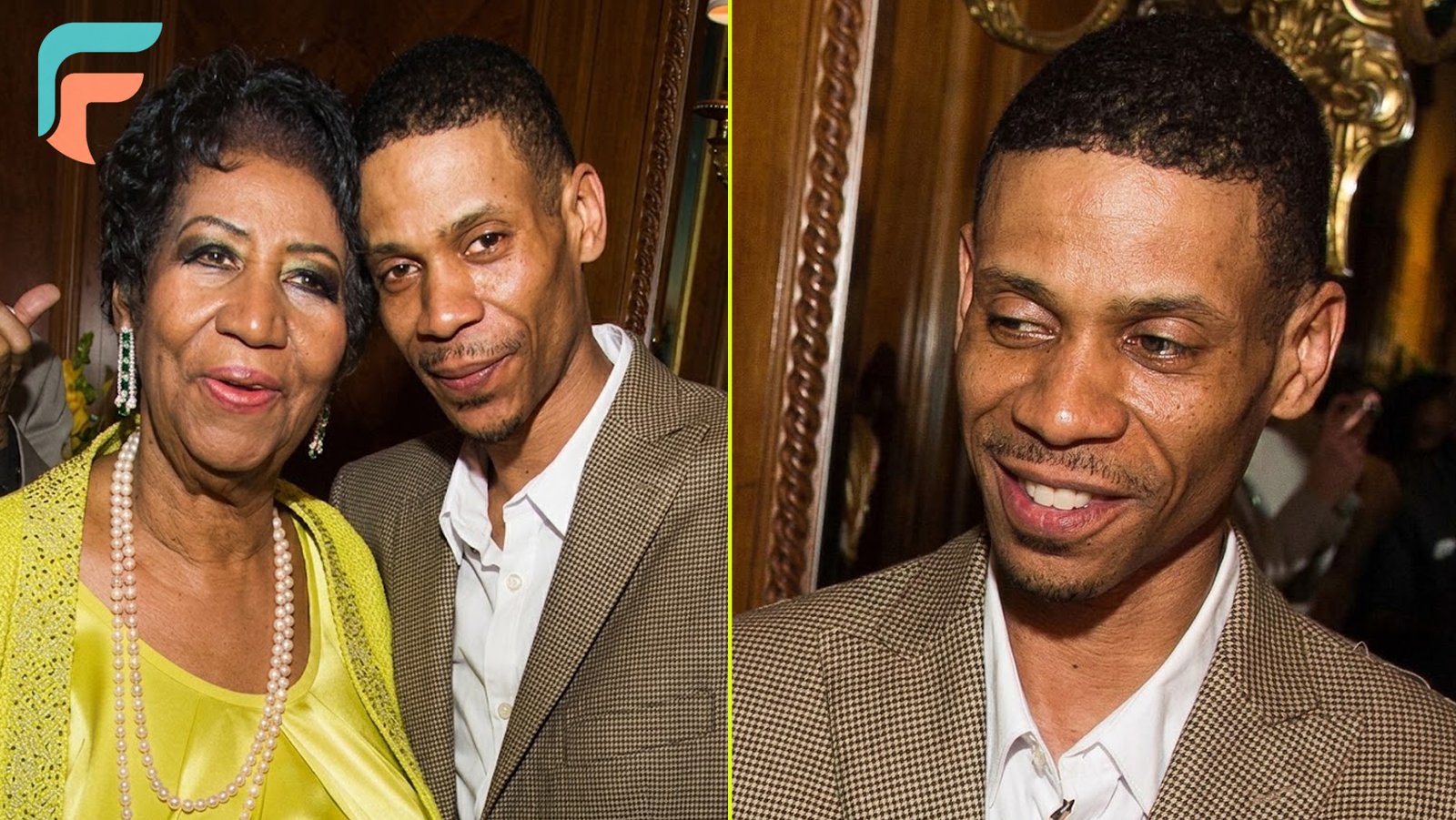
Kecalf Cunningham is the youngest of Aretha Franklin’s four sons, a gospel and Christian rap artist who grew up surrounded by the sound and business of his mother’s music. He spent much of his adult life performing alongside the Queen of Soul, then found himself at the center of a very public legal fight after her 2018 death, when a handwritten document discovered under a couch cushion determined who would control her estate. His story combines music, faith, family loyalty, and a courtroom drama that captured national attention, which is exactly why so many readers still search his name years later.
Quick Bio Table
| Category | Details |
|---|---|
| Full Name | Kecalf Cunningham (also referred to in legal filings as Kecalf Franklin) |
| Date of Birth | March 28, 1970 (widely reported across biography sources, not officially confirmed by the family) |
| Birthplace | Commonly reported as Detroit, Michigan, where he was raised; some sources list only “United States” |
| Nationality | American |
| Occupation | Gospel and Christian rapper, singer, songwriter |
| Known For | Being Aretha Franklin’s youngest son, performing with her on stage, and his central role in the 2023 estate will trial |
| Parents | Aretha Franklin (mother) and Ken Cunningham (father); the couple never married |
| Siblings | Three older half brothers: Clarence Franklin, Edward Franklin, and Ted White Jr. |
| Spouse | Kafi Franklin |
| Children | Multiple sources name three: son Jordan and daughters Victorie and Gracie. A few lower profile sites claim additional, unnamed children, which remains unconfirmed |
| Net Worth | Estimates across gossip and biography sites range from roughly $2 million to $22 million; no verified figure has been published |
Early Life and Family Background
Birth and Parents
Kecalf Cunningham was born on March 28, 1970, the year his mother turned twenty eight. His name is often described as an acronym built from both of his parents’ full names, Ken E. Cunningham and Aretha Louise Franklin, spelling out “KECALF.” His father, Ken Cunningham, worked as Aretha Franklin’s road manager during her European tour in 1969, and their working relationship grew into a romantic one. The couple lived together for a stretch, reportedly in New York City, though they never married. Several accounts describe Cunningham as a steadying influence who encouraged Franklin to cut back on drinking and eat more healthily during the years they were together, though the relationship had ended by the mid to late 1970s.
Growing Up in Detroit
Franklin raised her sons largely around Detroit, the city that anchored both her recording career and her father C.L. Franklin’s ministry at New Bethel Baptist Church. Kecalf came of age around musicians, church choirs, and his mother’s recording sessions, an environment that later shaped his own turn toward gospel influenced rap. Detailed information about his schooling is limited in public records, though several biographical write ups note he completed his early education in Michigan before shifting his focus toward music.
His Three Older Brothers
Kecalf is the youngest of Aretha Franklin’s four sons. His oldest brother, Clarence Franklin, was born when Franklin was a teenager and has largely stayed out of public life due to long standing health needs. Edward Franklin, the second son, and Ted White Jr., the son of Franklin’s first husband and manager Ted White, round out the brothers. All four sons later found themselves connected by a drawn out legal battle over their mother’s estate, even though their individual relationships with Franklin, and with one another, varied considerably over the years.
His Relationship With Aretha Franklin
Life on the Road and Behind the Scenes
Even before he built a public career of his own, Kecalf stayed close to his mother’s day to day life and touring world. Franklin was known for keeping her sons involved in her career in different capacities, and Kecalf’s visibility grew sharply after he accompanied her to a concert at Radio City Music Hall in 2008, where he performed alongside her. That appearance is frequently cited as the moment that introduced him to wider audiences as more than simply “Aretha Franklin’s son.”

Standing By Her Legacy
Kecalf has also positioned himself as a protector of his mother’s image and story since her passing. He publicly criticized the National Geographic anthology series “Genius: Aretha,” saying it was produced without the family’s consent, while voicing support for the 2021 biopic “Respect,” starring Jennifer Hudson, a project the family felt more closely connected to. In 2017, he took part in the ceremony that renamed a stretch of road in Detroit “Aretha Franklin Way,” a public tribute that carried personal weight for him and his brothers.
His Music Career
Christian and Gospel Rap
Kecalf built his career in Christian and gospel rap, blending his faith with the musical instincts he absorbed growing up around his mother’s recording sessions. Several biographical sources describe his output as tribute material honoring Franklin alongside original gospel songs, though detailed discography information, including specific album titles and release years, is inconsistent from one source to the next and should be treated as loosely documented rather than fully confirmed.
Performing With His Mother
The clearest and most consistently reported moment of his performing career remains his 2008 appearance alongside Franklin at Radio City Music Hall. Unlike celebrity children who try to distance themselves from a famous parent’s shadow, Kecalf leaned into the connection, building his music explicitly around his mother’s influence and his own Christian message rather than trying to separate his identity from hers.
Music After Her Death
Since 2018, Kecalf has continued releasing music tied to his mother’s memory, and he has spoken about collaborating with his daughter Victorie, herself a singer and songwriter, on cover versions of songs connected to the family’s musical history. He has not achieved mainstream chart success, and much of what circulates publicly about his catalog comes from fan pages and biography sites rather than major music outlets, so readers should treat specific song and album claims with some caution.
The Estate and Will Controversy After Aretha Franklin’s Death
No Formal Will, Four Sons, One Fortune
Aretha Franklin died on August 16, 2018, from pancreatic cancer, without a typed, signed will on file at the time of her death. Under Michigan intestacy law, that absence meant her estate, estimated at around $80 million, would initially be split evenly among her four sons. Her niece, Sabrina Owens, was first appointed to administer the estate, and Ted White II later took over that role as tension among the brothers grew.
The Will Found Under the Couch Cushion
In 2019, people searching Franklin’s Bloomfield Hills, Michigan home discovered two handwritten documents. One, dated 2010, was locked inside a cabinet and required Kecalf and his brother Edward to complete business classes and earn a certificate or degree before they could benefit fully from certain provisions. The other, dated 2014, was found scrawled inside a spiral notebook tucked under a couch cushion in the living room. The 2014 document dropped the education requirement and left the family’s Bloomfield Hills house, described in court as the “crown jewel” of the estate, to Kecalf and his children. Both documents agreed that music royalties and copyrights should be shared among all four sons, but they disagreed sharply on nearly everything else, setting the stage for a family dispute that stretched across almost five years of litigation.
The 2023 Jury Verdict
The dispute finally went to trial in Oakland County, Michigan, in July 2023. Kecalf and Edward argued the 2014 couch will should govern the estate because Franklin had signed it, including circling the letter “A” and adding a small smiley face, and had written “This is my will” at the top of one page. Ted White II argued the 2010 document, secured in a locked cabinet, better reflected his mother’s considered wishes. After deliberating for less than an hour, the jury sided with Kecalf and Edward, ruling the 2014 handwritten will valid. Kecalf later told reporters, “I just wanted my mother’s wishes to be adhered to.” The verdict gave Kecalf and his children ownership of the Bloomfield Hills home and opened the door for him to take on a formal role administering the estate going forward, while all four brothers continued sharing income from Franklin’s recordings and songwriting catalog.
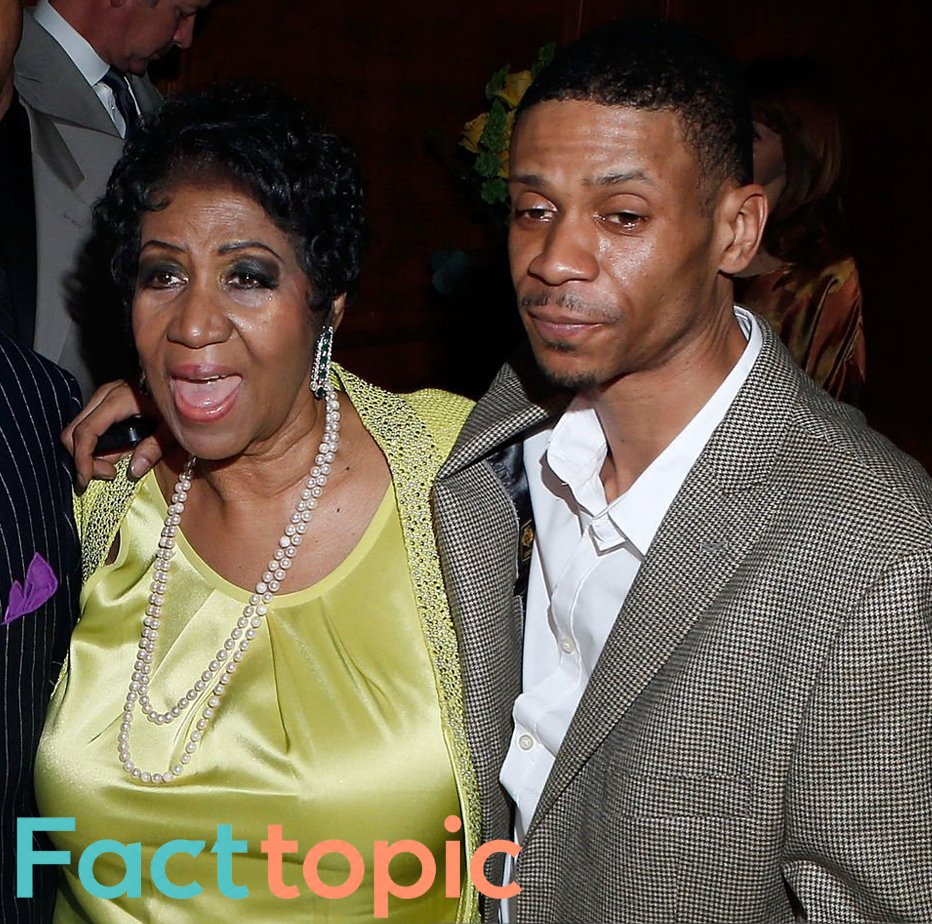
His Family Life Today
Wife Kafi Franklin
Kecalf is married to Kafi Franklin, who has largely stayed outside the spotlight compared with her husband. Little detailed biographical information about Kafi has been published, and most of what circulates online focuses on her role as a mother and supporter of the family’s musical projects rather than a public career of her own.
His Children
Reports on the size of Kecalf’s family vary from one source to another. Multiple biography sites consistently name three children: son Jordan, described as a music producer, daughter Victorie, a singer and songwriter who has worked musically with her father, and daughter Gracie, sometimes spelled Grace. A handful of lower profile sites claim the couple has six children in total, but they do not name or verify the additional three, so that figure should be treated as unconfirmed. What is consistent across sources is that Kecalf’s children attended school in the Bloomfield Hills, Michigan area, the same community where Franklin’s family home became the center of the 2023 court battle.
Why People Search for Kecalf Cunningham
Interest in Kecalf tends to spike around a few recurring triggers. Anniversaries of Aretha Franklin’s death each August bring renewed attention to her surviving children. Documentaries, biopics, and news coverage about the Franklin family, from “Genius: Aretha” to “Respect,” send curious viewers looking for information about her sons. Legal updates connected to the estate, including ongoing questions about royalties, publishing rights, and the family home, keep his name circulating in both entertainment and legal news. Fans of gospel and Christian rap also occasionally discover him through his own music rather than through his mother’s fame, drawn to an artist who has never hidden the fact that his career and his faith both trace back to what he learned growing up as Aretha Franklin’s son.
Conclusion
Kecalf Cunningham’s life sits at the intersection of two very different stories: a quiet career built on faith and gospel rap, and a very public fight over one of music’s great fortunes. He grew up in his mother’s world without becoming a replica of her, choosing his own genre and his own pace. The 2023 will verdict gave him both a home and a formal responsibility tied to Aretha Franklin’s legacy. Years after her death, his name keeps surfacing wherever people look for the fuller story of the Queen of Soul’s family, which is precisely why he remains a subject people continue to research.
Frequently Asked Questions
Who is Kecalf Cunningham? Kecalf Cunningham is the youngest son of the late singer Aretha Franklin and her longtime partner, road manager Ken Cunningham. He is a Christian and gospel rap artist who became widely known for his role in the legal battle over his mother’s estate after her 2018 death.
Is Kecalf Cunningham the same person as Kecalf Franklin? Yes. He is commonly known publicly as Kecalf Cunningham, using his father’s surname, but he appears in court documents and several news reports as Kecalf Franklin, using his mother’s surname.
Did Kecalf Cunningham inherit his mother’s house? Yes. After a 2023 jury trial in Oakland County, Michigan, ruled that a handwritten 2014 will found under a couch cushion was valid, that document left the family’s Bloomfield Hills home to Kecalf and his children.
Is Kecalf Cunningham married? Yes. He is married to Kafi Franklin, and the couple has raised at least three children together, son Jordan and daughters Victorie and Gracie, according to multiple biographical sources.
What kind of music does Kecalf Cunningham make? Kecalf performs Christian and gospel rap, drawing on the church music he grew up around and the influence of his mother’s career, and he has occasionally performed and recorded alongside his own children.