

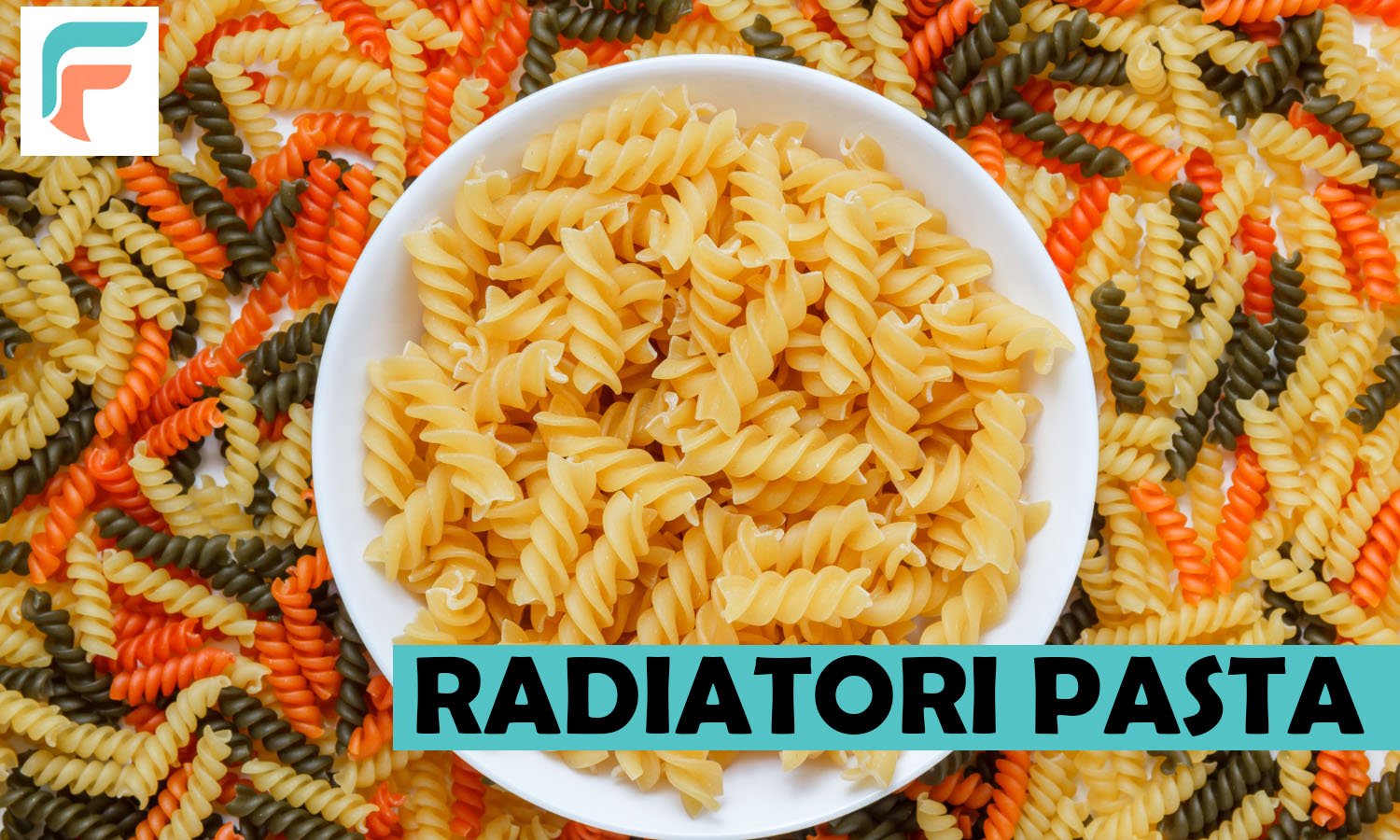
Radiatori pasta is a short, chunky Italian shape with ruffled fins that look like an old heating radiator. The name makes people smile, but the shape also has a real job: it holds sauce in every fold. If you have seen a bag of radiatori at the store and wondered what to cook with it, this guide is for you. You will learn where the pasta comes from, how to cook it, which sauces work best, and how to use it in simple recipes. At the end, you will also find answers to ten common questions.
What Is Radiatori Pasta?
Radiatori is a small, squat pasta shape that looks like a radiator. Each piece has a short center “pipe” with thin, parallel fins around it. The edges are ruffled, and the pasta feels thick and chewy when you bite into it. In Italian, the word radiatori means radiators.
Most dried radiatori is made from durum wheat semolina and water. Some brands cut the pasta with bronze dies, which gives it a rougher surface. A rough surface helps sauce stick to the pasta instead of sliding off. Many companies make radiatori, from big brands to small artisan makers. You can also find gluten free and high protein versions, which we cover below.
Where Does Radiatori Pasta Come From?
Radiatori comes from Italy, but food writers do not agree on the exact date. Pasta itself is very old, so radiatori counts as a fairly new shape. Some pasta makers say they based the design on the radiator grill of the Bugatti car. One Italian maker’s product page says the shape was designed in the 1960s. A restaurant post says it was born in the 1920s and 1930s. Because the sources do not match, the safe answer is this: radiatori is a modern shape from the last century, inspired by industrial heating radiators.
Why Does the Shape Work So Well With Sauce?
The fins and hollows give each piece a lot of surface area, so sauce clings to it. The Pasta Project, a site about Italian pasta shapes, explains that this design is ideal for catching sauce, especially sauces with finely chopped ingredients that can settle into the folds. Think of small bits of sausage, spinach, mushrooms, or minced vegetables.
Smooth, long pasta like spaghetti needs a sauce that coats the strands. Radiatori can handle thicker and chunkier sauces. Every bite gives you pasta, sauce, and a little extra from the folds. That is why many cooks choose radiatori when they make a hearty dinner.
What Is the Difference Between Radiatori and Radiatore?
There is no real difference. Radiatori is the Italian plural, and radiatore is the singular. Many American recipe sites write “radiatore pasta,” while Italian brands often print “radiatori” on the bag. If you cannot find the pasta online or in a store, search for both spellings.
You may also see other names. Some cooking sites call the shape armoniche, although The Pasta Project says armoniche is a similar shape and not exactly the same. Wikipedia notes that people sometimes call radiatori “pagoda pasta,” but that nickname has no strong source behind it. Use “radiatori” or “radiatore” when you shop.
Which Brands Make Radiatori?
Several well-known Italian companies make radiatori, including Barilla, De Cecco, La Molisana, Rummo, and Garofalo. Rustichella d’Abruzzo also sells it, and so do many small pasta makers. Some store brands, like Walmart’s bettergoods line, carry a bronze cut version too.
When you pick a bag, check three things:
- The ingredients. Classic dried pasta lists durum wheat semolina, and often nothing else.
- The cut. Bronze cut pasta has a rougher surface and holds sauce well.
- The cooking time. Thick fins take longer than thin pasta, so follow the time on the package.
How Do You Cook Radiatori Pasta?
Boil radiatori in a large pot of salted water until it is al dente, which usually takes 10 to 12 minutes. One bronze cut brand lists a cooking time of 10 to 12 minutes, and a popular creamy radiatore recipe uses 10 to 11 minutes. Always check your own package, because brands differ.
Follow these steps:
- Fill a large pot with plenty of water and bring it to a rolling boil.
- Add a good amount of salt. The water should taste lightly salty.
- Add the pasta and stir during the first minute so the pieces do not stick.
- Start tasting about two minutes before the time on the package. The pasta should feel firm but not hard in the center.
- Scoop out about one cup of pasta water before you drain. Several recipes use this starchy water to thin the sauce.
- Drain the pasta and do not rinse it. Add it straight to the warm sauce.
- Toss everything together for a minute so the sauce coats the fins.
The extra minute in the pan helps the pasta take in flavor. If the sauce looks too thick, add a splash of the pasta water, a little at a time.
What Sauces Go Best With Radiatori?
Radiatori works best with thick, hearty sauces that cling to the fins. A pasta guide lists tomato ragù, basil pesto, creamy mushroom sauce, roasted vegetable sauces, sausage ragù, and pistachio pesto as popular choices. Cheese sauces and butter based sauces also work well.
Here are a few pairings to try:
- Tomato ragù or sausage ragù. The meat and tomato fill the folds.
- Basil pesto or pistachio pesto. The thick green sauce coats every ridge.
- Mushroom cream sauce. The soft mushrooms and cream settle into the pasta.
- Spinach and a soft cheese. The Pasta Project shares a version with spinach and stracchino, a creamy Italian cheese.
- Brown butter. It is quick, and the nutty flavor is easy to like.
- Sicilian style vegetables. Eggplant, cherry tomatoes, fresh basil, and grated ricotta salata are a classic mix. The pasta holds the soft vegetables and the salty cheese together.
Thin, watery sauces are a poor match. They run off the pasta and pool at the bottom of the bowl.
How Do You Make Creamy Vodka Sauce Radiatori?
Cook onion and garlic in olive oil, add tomato paste, tomatoes, cream, and a splash of vodka, then toss the sauce with cooked radiatori. This dish is a favorite online, and many recipes follow the same pattern. A pasta maker called Etto explains that vodka helps the cream stay smooth and keeps it from breaking into lumps. The alcohol cooks off as the sauce simmers. If you prefer not to use vodka, you can leave it out, as some recipes allow.
Ingredients (serves about 4):
- 1 pound dried radiatori
- 3 tablespoons olive oil
- 1 medium onion, diced
- 4 cloves garlic, minced
- A pinch of red pepper flakes
- 2 to 3 tablespoons tomato paste
- 1 can (14.5 ounces) whole peeled tomatoes
- 1 and 1/4 cups heavy cream
- 1/4 cup vodka (optional)
- About 1/2 cup grated Parmesan or pecorino, plus more for serving
- Salt, to taste
Steps:
- Heat the oil in a large pan over medium heat. Cook the onion with a pinch of salt until soft.
- Add the garlic and red pepper flakes. Cook for one minute.
- Stir in the tomato paste and cook for another minute or two.
- Add the vodka and let it cook for about a minute. Then add the tomatoes and crush them with a spoon. Simmer for 10 to 15 minutes.
- Pour in the cream and stir. Taste and add salt. For a very smooth sauce, blend it, then return it to the pan.
- Cook the pasta, save one cup of the water, and drain.
- Add the pasta and cheese to the sauce. Toss, adding pasta water until the sauce looks glossy and smooth.
How Do You Make a Simple Sausage and Tomato Version?
Brown Italian sausage in a skillet, add onion, garlic, and canned tomatoes, then mix in cooked radiatori just before serving. One popular recipe uses this one-skillet method. The sauce has Italian sausage, onion, garlic, canned diced tomatoes, tomato sauce, parsley, and dried oregano. The pasta is cooked al dente, then mixed with the warm sauce right before the meal.
Here is an easy way to do it:
- Cook the sausage in a large skillet until it is no longer pink. Break it into small pieces. The small pieces fall into the folds of the pasta.
- Add chopped onion and cook until soft, then add garlic for one minute.
- Pour in the diced tomatoes and tomato sauce. Add oregano, a little salt, and red pepper flakes if you like heat.
- Simmer for about 15 to 20 minutes, until the sauce thickens.
- Stir in the cooked pasta and fresh parsley. Serve with Parmesan.
This meal feeds a family in about 30 minutes, and it uses ingredients from most pantries.
Can You Use Radiatori in Baked Pasta and Pasta Salad?
Yes, radiatori works well in both. The Pasta Project says it is a good substitute for maccheroni or penne in baked pasta recipes. The thick fins hold melted cheese and tomato sauce, so each bite is full of flavor. When you bake pasta, cook it one or two minutes less than the package says. It will finish cooking in the oven.
Radiatori is also a good choice for cold dishes. Recipe collections include a Caprese pasta salad and a plain radiatore pasta salad. The folds catch dressing, small tomatoes, herbs, and bits of cheese. For a salad, rinse the cooked pasta briefly under cold water to stop the cooking, then mix it with the dressing while it is still slightly damp.
Are There Gluten Free or High Protein Radiatori Options?
Yes, you can buy both. A small brand called Marshall’s Haute Sauce sells gluten free radiatori made from rice and other flours, seasoned with a herb blend. The brand Brami makes a high protein version from durum wheat and lupini beans. Its page lists 21 grams of protein and 9 grams of fiber per serving, but check the label on the box for current numbers.
Keep one point in mind: the Brami version contains durum wheat, so it is not gluten free. If you need to avoid gluten or have an allergy, read the full ingredient list every time.
What Can You Use If You Cannot Find Radiatori?
Choose another short pasta with ridges or twists. A recipe blogger suggests small types like fusilli, ditalini, cavatappi, or farfalle for creamy sauces. Rotini and small shells also work well. These shapes hold sauce in their curves, though none has the exact fins of radiatori.
Cooking times change with the shape, so follow the package for the pasta you buy.
How Do You Store and Reheat Leftovers?
Cool leftover pasta quickly, put it in a covered container, and keep it in the fridge for up to three to four days. That is the general rule the U.S. Department of Agriculture gives for leftovers. Do not leave cooked pasta on the counter for more than two hours.
To reheat, add a splash of water or milk and warm the pasta in a pan over low heat. Stir often. Cream sauces can separate if the heat is too high, so go slowly. You can also reheat a single portion in the microwave, stirring halfway through.
What Mistakes Should You Avoid?
Most problems come from a few small habits. Watch out for these:
- Overcooking. Soft radiatori loses its shape, and the fins turn mushy.
- Skipping the salt. Pasta cooked in plain water tastes flat, even with a good sauce.
- Pouring away all the pasta water. That starchy water helps the sauce stick.
- Rinsing hot pasta. Rinsing removes the starch that helps sauce cling. Only rinse pasta for cold salads.
- Using a thin sauce. Pick a thicker sauce, or let it simmer a few more minutes.
- Crowding the pot. A small pot makes the pieces stick together.
Conclusion
Radiatori is a fun pasta with a clear purpose. The fins and folds catch thick sauces, small pieces of meat and vegetables, and melted cheese. Cook it until it is al dente, save some pasta water, and toss it with a hearty sauce. Start with a creamy vodka sauce or a quick sausage and tomato skillet, then try pesto, mushroom, or baked dishes. Once you learn how the shape works, you can use it in many easy weeknight meals.
Frequently Asked Questions
1. What does radiatori mean?
Radiatori is an Italian word that means radiators. The pasta got this name because each piece looks like a small heating radiator, with a short center pipe and thin fins around it. The ruffled shape is not just for looks. It also helps the pasta hold more sauce.
2. Is radiatori the same as radiatore?
Yes. Radiatori is the plural form in Italian, and radiatore is the singular form. Many American recipe sites use “radiatore pasta,” while Italian brands often use “radiatori” on the package. Both names describe the same short, ruffled pasta, so search for both spellings when you shop.
3. How long does it take to cook radiatori?
Most radiatori cooks in about 10 to 12 minutes in boiling salted water. Some recipes use 10 to 11 minutes. Times change by brand and by how thick the pasta is, so check the package. Taste a piece two minutes early, and drain when it is firm but tender.
4. What sauce is best for radiatori?
Thick, hearty sauces work best. Tomato ragù, sausage ragù, pesto, mushroom cream sauce, and roasted vegetable sauces all cling well to the fins. Creamy vodka sauce is also popular. Avoid thin, watery sauces, because they slide off the pasta and collect at the bottom of the bowl.
5. Can I use radiatori in pasta salad?
Yes. The folds catch dressing, herbs, small tomatoes, and bits of cheese, so each bite has flavor. Cook the pasta until it is al dente, rinse it briefly under cold water, and mix it with the dressing. Chill the salad for at least thirty minutes before you serve it.
6. What can I use instead of radiatori?
Pick a short pasta with ridges or twists. Fusilli, rotini, cavatappi, ditalini, and farfalle are good choices, and small shells also work. They hold sauce in their curves, though not as well as radiatori. Adjust the cooking time to match the package for the shape you use.
7. Is radiatori pasta healthy?
Plain radiatori is made from durum wheat and gives you carbohydrates for energy. How healthy your meal is depends on the sauce and the portion. Add vegetables, beans, or lean protein to make the dish more balanced. If you have a health condition, ask your doctor or a dietitian for advice.
8. Does radiatori come in gluten free?
Yes. Some small brands sell gluten free radiatori made from rice and other flours. Regular radiatori contains wheat, and so does the high protein version made with durum wheat and lupini beans. Always read the ingredient list and the allergy notes on the package before you buy.
9. Why is radiatori shaped like a radiator?
The exact reason is unclear. Wikipedia says the pasta is modeled after an old industrial heating fixture. Some makers say the Bugatti car grill inspired the design. Whatever the story, the fins create a lot of surface area, which makes the pasta very good at holding sauce.
10. How do I stop radiatori from sticking together?
Use a large pot with plenty of boiling, salted water, and stir the pasta during the first minute of cooking. Do not add the pasta before the water boils. After you drain it, mix it with the sauce right away, because plain pasta sticks as it cools.