

Introduction
Marketing can feel like a big, confusing world. There are so many tools, channels, and trends that new learners often do not know where to start. The good news is that every strong marketing plan is built on the same few ideas. Once you understand these marketing fundamentals, the rest becomes much easier. In this guide, we explain seven basics in simple words, with clear examples you can use today.
What Are Marketing Fundamentals?
Marketing fundamentals are the core ideas that guide how a business connects its products with the right customers. They help you answer simple questions. Who are my customers? What do they need? How do I reach them? How do I know my work is paying off?
The American Marketing Association describes marketing as the activities and processes used to create, share, and deliver things that have value for customers, partners, and society. In other words, marketing is not only advertising. It starts long before an ad is made, and it continues long after a sale.
Think of a small bakery. The owner talks to neighbors, learns what bread they like, sets a fair price, picks a good shop location, and tells people about it. Every one of those steps is marketing.
Why Marketing Fundamentals Matter
Many beginners jump straight into social media posts or paid ads. This often wastes time and money. Without a strong base, it is hard to know what to say or who to say it to.
When you learn the fundamentals first, you get a few clear benefits:
- You make smarter choices about where to spend your budget.
- Your message is clearer, so people understand you faster.
- You can see what works and drop what does not.
- Your skills still apply when tools and trends change.
Platforms and apps change all the time. The basics stay almost the same, which is why they are worth learning well.
Know Your Customer
The first basic is simple: understand the people you want to serve. Marketing research means finding out who buys, why they buy, and what other options they compare.
You do not need a big budget for this. Here are easy ways to learn about your customers:
- Talk to a few real customers and ask open questions.
- Read online reviews of your own products and your competitors.
- Send a short survey by email or social media.
- Check which pages and posts on your website get the most visits.
Listen for the problems people describe and the words they use. Those exact words can later be used in your ads, product pages, and blog posts.
Choose Your Target Market
No business can serve everyone. A clear target market saves money and makes your message stronger. Most marketing books explain this with three linked steps: segmentation, targeting, and positioning.
Segmentation means splitting a large market into smaller groups. You can group people by age, location, interests, income, or buying habits.
Targeting means choosing the group (or groups) that fit your business best. A running shoe brand, for example, may target new runners instead of all sports fans.
Positioning means deciding how you want people to think about your brand compared with others. Are you the cheapest, the most reliable, the most stylish, or the easiest to use?
A good test is to describe your ideal customer in two sentences. If you cannot do it, your target market is probably too wide.
Build a Clear Value Proposition
A value proposition is a short promise that tells people why they should choose you. It explains the main benefit you offer and what makes you different.
A strong value proposition is clear, honest, and focused on the customer. It does not list every feature. It answers one question: “What is in it for me?”
You can build one with this simple pattern:
- Who is it for?
- What problem do you solve?
- How are you better or different?
For example, “Fresh sourdough bread, baked every morning and delivered to your door before 8 a.m.” is easy to understand. It names the product, the benefit, and the difference. Compare that with “We offer high-quality baked goods,” which says very little.
Use the Marketing Mix
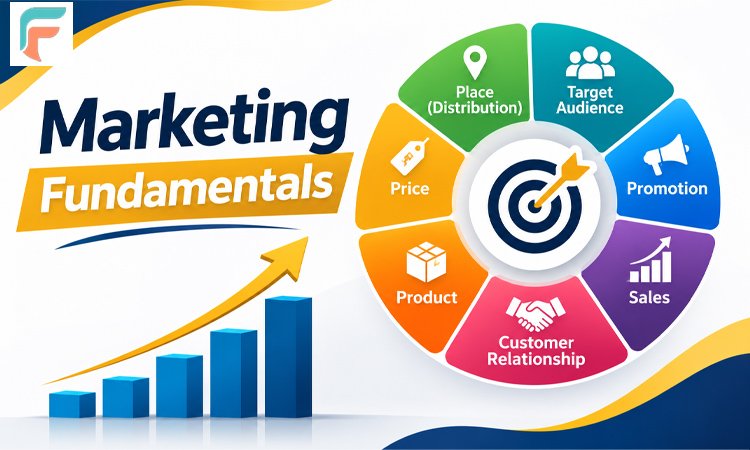
The marketing mix is one of the oldest and most useful tools in marketing. Many people know it as the 4 Ps. The idea became popular in the 1960s through the work of E. Jerome McCarthy. It is still taught in business classes today.
Product
This is what you sell. It can be a physical item, a service, or a digital tool. Ask yourself what problem it solves and what quality customers expect. Features, design, packaging, and even customer support are part of the product.
Price
Price is more than a number on a tag. It tells customers how they should see your brand. A very low price may suggest low quality, while a high price may suggest luxury. Think about your costs, your competitors, and what customers are happy to pay.
Place
Place means where and how people can buy from you. This could be a shop, a website, an online marketplace, or a mix of all three. The goal is to make buying easy and convenient.
Promotion
Promotion covers all the ways you share your message. It includes advertising, email, social media, public relations, events, and special offers. Good promotion is not just loud. It is useful and speaks to the right people at the right time.
Many service businesses also use an extended version called the 7 Ps. It adds people, process, and physical evidence, such as reviews, a clean office, or a well-made website. These extra points matter because customers judge the whole experience, not only the product.
Build a Brand and a Message
A brand is the feeling people have about your business. It comes from your name, logo, colors, tone of voice, and, most of all, how you treat customers. A strong brand helps people remember you and trust you.
To build a brand that lasts, keep these ideas in mind:
- Be consistent. Use the same style and tone on your website, social pages, and emails.
- Be honest. Do not promise things you cannot deliver.
- Be useful. Share tips and answers, not just sales messages.
- Tell a simple story. People remember stories better than lists of facts.
Your message should also match what your audience cares about. A student and a business owner may need the same tool, but they will respond to very different words.
Pick the Right Channels
A channel is a place where you meet your audience. Common channels include:
- Search engines. People find you through search engine optimization (SEO) or paid search ads.
- Social media. You can share posts, videos, and short messages to build a community.
- Email. Email lets you speak directly to people who already showed interest.
- Content marketing. Blogs, guides, and videos teach people and build trust over time.
- Offline marketing. Flyers, events, and word of mouth still work well for local businesses.
You do not need to be everywhere. Start with one or two channels where your customers already spend time. It is better to do two channels well than six channels badly. Once those work, you can add more.
Measure Results and Improve
The last basic is measuring. Marketing is not a guess. You should check what is working, and then do more of it.
Start with a clear goal, such as getting 100 new email subscribers this month. Then choose a few numbers that show your progress. Useful examples include:
- Website visits: how many people come to your site.
- Conversion rate: the share of visitors who take an action, like buying or signing up.
- Cost per customer: how much you spend to win one new customer.
- Customer return rate: how many people buy from you again.
Free tools like Google Analytics and the reports inside social media apps can show most of these numbers. Look at your results every month. If something does not work, change one thing at a time and test again. Small steady improvements add up faster than big, risky moves.
Common Mistakes Beginners Make
Everyone makes errors when they start. Here are a few to avoid:
- Trying to sell to everyone. A wide message often reaches no one.
- Focusing only on sales. Long-term relationships are often worth more than one quick purchase.
- Copying competitors. Learn from them, but find your own voice.
- Ignoring data. Gut feeling is helpful, but numbers show the real picture.
- Giving up too early. Most marketing needs weeks or months to show clear results.
A Simple Plan to Get Started
If you feel unsure, follow these five steps:
- Write down who your ideal customer is.
- Write one clear sentence that explains your value.
- Review your product, price, place, and promotion.
- Choose one or two channels and post regularly.
- Pick one goal and check your numbers every month.
This plan is small, but it covers all seven basics. As you grow, you can make it bigger and more detailed.
Conclusion
Marketing does not need to be hard. When you know your customers, choose a clear target, share a strong promise, use the 4 Ps, build a trusted brand, pick the right channels, and measure your results, you have the full foundation. Start small, stay curious, and keep learning from real people. The more you practice these marketing fundamentals, the more natural they will feel.
Frequently Asked Questions
What are marketing fundamentals?
Marketing fundamentals are the basic ideas that guide how a business finds, reaches, and keeps customers. They include customer research, target markets, value, the marketing mix, branding, channels, and measurement.
What are the 4 Ps of marketing?
The 4 Ps are product, price, place, and promotion. Together they are called the marketing mix. They help you decide what to sell, how much to charge, where to sell it, and how to tell people about it.
What is the difference between marketing and advertising?
Advertising is only one part of marketing. Marketing also includes research, pricing, product design, sales channels, and customer care. Advertising is the paid message that tells people about your offer.
Can I learn marketing without a degree?
Yes. Many successful marketers learned through free courses, books, blogs, and real practice. A degree can help, but it is not required to start.
What is a target market?
A target market is the group of people most likely to buy from you. They share things like needs, interests, or habits. Knowing them helps you write better messages and spend your budget wisely.
What is a value proposition?
A value proposition is a short statement that explains why customers should choose you. It names the main benefit and what makes you different from other options.
Which marketing channel is best for beginners?
It depends on your audience. Many beginners start with social media, email, or a simple blog because the cost is low. Choose the place where your customers already spend their time.
How much money do I need to start marketing?
You can start with very little. Free options include social media, a blog, and word of mouth. As you learn what works, you can spend more on paid ads or tools.
How long does it take to see marketing results?
It varies. Paid ads can bring visits within days. SEO, blogging, and brand building usually take a few months. Keep tracking your numbers so you can see steady progress.
Why is measuring marketing results important?
Measuring shows what works and what wastes money. With simple numbers, such as visits and sales, you can make better choices and improve your plan over time.